
Seasonal Eating on a Budget: How Produce Calendars Can Meaningfully Lower Your Food Bills

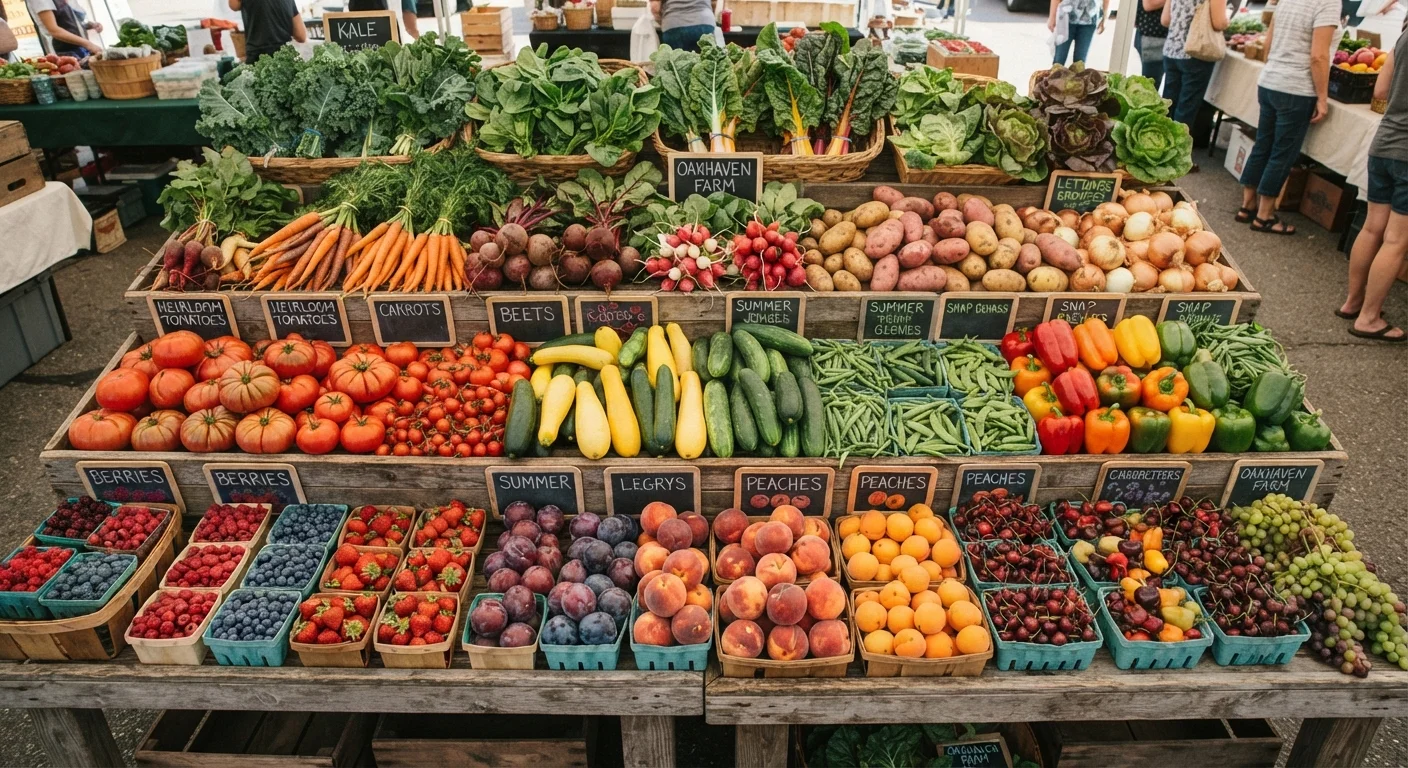
Photo: nativeinfoline.com editorial
Key Takeaways
- In-season produce costs less because supply is high and transport distances are short.
- A regional produce calendar takes the guesswork out of planning affordable weekly menus.
- Pairing seasonal produce with pantry staples multiplies meals without multiplying the budget.
- Buying extra at peak-season prices and freezing it extends savings into off-season months.
- Seasonal eating works best as a habit, not a one-time effort.
Why seasonal produce costs less
When a crop is at peak harvest, growers have more supply than at any other point in the year. Stores compete for shoppers, transport distances from regional farms are shorter, and produce moves quickly through the supply chain. All of that pushes the price down. A pound of tomatoes in August typically costs a fraction of what it does in February, when the same tomatoes travel thousands of miles from a warm-climate growing region.
The USDA Economic Research Service has documented consistent price variation by season across most fresh fruit and vegetable categories. The gap is not trivial. Strawberries, for instance, can cost two to three times more per pound in winter than at the height of local strawberry season in late spring.
Nutrition follows the same logic. Produce picked closer to full ripeness and sold quickly retains more vitamins and antioxidants than fruit or vegetables harvested early for long-distance shipping. So buying in season often delivers more nutritional value per dollar spent. For a fuller look at how fresh, frozen, and canned options compare on cost and nutrition, see our guide to produce forms.
How to use a produce calendar
A produce calendar lists which fruits and vegetables are in season by month in a given region of the United States. The USDA and many state agricultural extension offices publish free versions. Your climate zone matters: tomatoes peak in July in the mid-Atlantic but not until August in New England, and citrus is cheapest in Florida in winter rather than summer.
The practical step is to pull up the calendar for your region before writing your weekly grocery list, then build meals around what is currently at peak supply. This reverses the usual habit of picking recipes first and then buying whatever ingredients they require regardless of cost.
Print or bookmark a produce calendar for your specific USDA hardiness zone or state.
Reverse your meal planning: check what is in season first, then choose recipes.
Buy a larger quantity of peak-season produce when the per-unit price drops significantly.
Build at least two or three meals per week around a single seasonal vegetable or fruit.
Tracking your actual purchase prices over a few months will confirm which seasonal items are genuinely cheaper at your local stores. The process of building that price record is covered in detail in our household price book guide.
Stretching seasonal produce across a week of meals
A single in-season vegetable can anchor multiple meals when you plan around it. A large head of cabbage in fall can become coleslaw one night, a stir-fry the next, and a base for soup by mid-week. Zucchini in summer works in pasta, frittata, and grilled side dishes. The goal is to buy a larger quantity at the low seasonal price and use it across several meals before it spoils.
Pairing seasonal produce with affordable pantry staples like dried beans, lentils, canned tomatoes, and whole grains multiplies your meal options without adding much cost. A pot of lentil soup gains substance from whatever greens or root vegetables are cheapest that week.
Batch cooking on the weekend makes this approach more practical for busy households. Roasting a sheet pan of seasonal vegetables takes about the same time whether you make one portion or four, and the extras refrigerate well for several days.
Buying extra and preserving the savings
Peak-season prices create a short window to buy more than you need for the week and preserve the surplus. Freezing is the most practical method for most families. Blanching vegetables briefly before freezing (30 to 90 seconds in boiling water, then an ice bath) slows enzyme activity and protects color, texture, and nutrients during storage. Most vegetables keep well frozen for eight to twelve months, according to USDA food safety guidelines.
Summer corn, green beans, broccoli, and sweet peppers all freeze well with minimal preparation. Stone fruits and berries can go directly into freezer bags after washing and drying. This approach lets you pay summer prices for produce you will use in January.
For produce that does not freeze well, such as cucumbers or lettuce, buy only what your household will use that week. Spoilage wipes out any savings from buying in bulk. Understanding what the evidence says about affordable nutrition can help you decide where to focus your seasonal buying efforts. If you have outdoor space, growing even a small amount of produce during peak season can extend these savings further.
The content provided on our blog site traverses numerous categories, offering readers valuable and practical information. Readers can use the editorial team’s research and data to gain more insights into their topics of interest. However, they are requested not to treat the articles as conclusive. The website team cannot be held responsible for differences in data or inaccuracies found across other platforms. Please also note that the site might also miss out on various schemes and offers available that the readers may find more beneficial than the ones we cover.