
Budget-Friendly Pantry Staples That Nutritionists Consistently Recommend

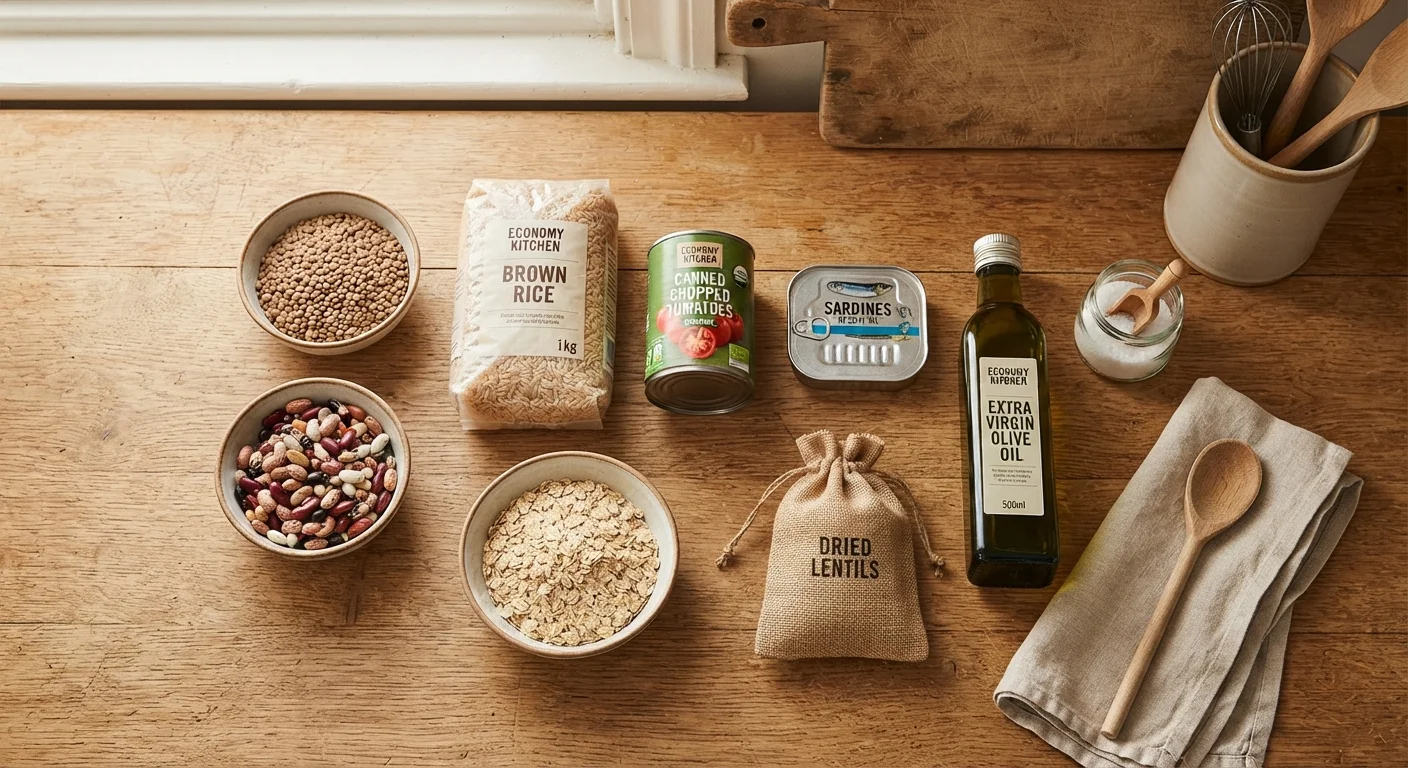
Photo: nativeinfoline.com editorial
Key Takeaways
- Dried legumes and canned fish deliver high protein and micronutrients at very low cost per serving.
- Whole grains like oats and brown rice provide sustained energy and fiber for cents per portion.
- Canned tomatoes and frozen vegetables retain most nutrients and cost far less than fresh equivalents.
- A small number of versatile staples can form the base of dozens of different family meals.
- Rinsing canned goods reduces sodium without discarding meaningful nutritional value.
Why pantry staples matter for family nutrition
Fresh produce and specialty ingredients get most of the attention in nutrition coverage, but the pantry is where consistent, affordable eating actually happens. Shelf-stable foods bought in bulk or on sale provide a reliable nutritional foundation regardless of what week it is or what is on sale at the store. The items below appear repeatedly in dietary guidance from public health organizations because they combine low cost, long shelf life, and genuine nutrient density. They are not a complete diet on their own, but they are a reliable starting point for most family meals.
For context on how these staples fit into a broader grocery strategy, see grocery budget strategies that hold up in real life. And if you want to understand how pantry staples translate into actual meals, pantry staples that form the backbone of dozens of cheap family meals covers the meal-planning side in depth.
Dried lentils
Lentils cost roughly $1 to $2 per pound dried, and one pound yields about 6 to 8 cooked servings. A half-cup cooked serving provides around 9 grams of protein, 8 grams of fiber, and meaningful amounts of iron, folate, and potassium, according to USDA FoodData Central. Unlike dried beans, lentils require no soaking and cook in 20 to 30 minutes, making them practical for weeknight meals. They absorb flavors well and work in soups, grain bowls, tacos, and pasta sauces.
Lentils need no soaking and cook in under 30 minutes, making them one of the most practical high-protein staples available.
Rolled oats
Plain rolled oats (not instant flavored packets) cost under $1 per pound in most grocery stores. A half-cup dry serving provides about 5 grams of protein, 4 grams of fiber, and beta-glucan, a soluble fiber that research published in nutrition journals has linked to modest reductions in LDL cholesterol. Oats work beyond breakfast: they can be used in savory dishes, baked goods, and as a binder in meat or vegetable patties. Store in an airtight container and they keep for up to a year.
Plain rolled oats cost under $1 per pound and contain beta-glucan fiber with well-documented cardiovascular benefits.
Canned sardines or mackerel
Canned fatty fish is among the lowest-cost sources of omega-3 fatty acids and vitamin D available. A standard 3.75-ounce can of sardines in water or olive oil provides roughly 23 grams of protein, around 300 milligrams of calcium (from the soft edible bones), and significant amounts of EPA and DHA omega-3s. The Dietary Guidelines for Americans recommend at least 8 ounces of seafood per week for adults; canned fatty fish makes that practical on a tight budget. Choose varieties packed in water or olive oil and rinse to reduce sodium if needed.
Canned sardines provide calcium, omega-3s, and over 20 grams of protein per can at a fraction of fresh fish prices.
Canned or dried chickpeas
Chickpeas (garbanzo beans) are high in both protein and fiber, with a half-cup cooked serving containing approximately 7 grams of protein and 6 grams of fiber per USDA data. Dried chickpeas require soaking overnight, but cost about half as much as canned. Canned chickpeas are a fast alternative: drain and rinse to cut sodium by up to 40%, according to food science research. Chickpeas work in soups, roasted as a snack, blended into hummus, or added to grain salads. They are also a good source of manganese and folate.
Draining and rinsing canned chickpeas cuts sodium by up to 40% without meaningfully reducing protein or fiber content.
Brown rice
Brown rice retains the bran and germ layers that white rice loses in milling, which means it delivers more fiber, magnesium, and B vitamins per serving. A one-cup cooked serving provides about 3.5 grams of fiber and 5 grams of protein. Bought in 5- or 10-pound bags, brown rice typically costs $1 or less per pound. It takes longer to cook than white rice (around 45 minutes), but a large batch can be refrigerated for up to four days or frozen in portions, reducing the time burden across a week of meals.
Cooking brown rice in large batches and freezing portions makes a 45-minute cook time practical for busy weeknights.
Canned diced tomatoes
Tomatoes are processed and canned at peak ripeness, which preserves lycopene and vitamin C well. Research indicates that lycopene in cooked or processed tomatoes is more bioavailable than in raw tomatoes, because heat breaks down cell walls. A 28-ounce can of no-salt-added diced tomatoes typically costs under $2 and forms the base of soups, stews, pasta sauces, and braised dishes. They also contribute to overall vegetable intake for families who struggle to meet the USDA's recommended 2 to 3 cups of vegetables per day.
Lycopene in canned tomatoes is more bioavailable than in raw tomatoes because the canning process breaks down cell walls.
Frozen spinach or mixed greens
Frozen leafy greens often cost $1 to $2 per 10-ounce bag and deliver a concentrated source of vitamins K, A, and folate. Because freezing happens shortly after harvest, nutrient content is comparable to fresh, and in some cases higher than fresh greens that have spent days in transport and storage. A half-cup of cooked frozen spinach packs roughly 130 micrograms of vitamin K and 5 milligrams of iron. Squeeze out excess water before adding to dishes. Frozen greens blend into smoothies, soups, egg scrambles, and pasta without altering flavor significantly.
Frozen spinach can contain more vitamins than fresh spinach that has spent several days in transit and storage.
Getting the most out of these ingredients
Stock what your family will actually eat. A pantry full of dried chickpeas does little good if no one knows how to prepare them. Start with two or three items from this list, build a few reliable recipes around them, then expand. Legumes as the frugal family's protein is a useful reference if lentils and beans are new territory in your kitchen.
Pairing shelf-stable staples with produce requires some planning. Fresh, frozen, or canned produce breaks down which form of vegetables and fruit gives you the most nutrition per dollar, and seasonal eating on a budget explains how timing purchases around harvest cycles further reduces cost.
Build your pantry gradually
This article is for general informational purposes only and is not medical or nutritional advice. Consult a registered dietitian or qualified healthcare professional for guidance specific to your health circumstances or dietary needs.
The content provided on our blog site traverses numerous categories, offering readers valuable and practical information. Readers can use the editorial team’s research and data to gain more insights into their topics of interest. However, they are requested not to treat the articles as conclusive. The website team cannot be held responsible for differences in data or inaccuracies found across other platforms. Please also note that the site might also miss out on various schemes and offers available that the readers may find more beneficial than the ones we cover.