
Starting a Vegetable Garden for Under $50

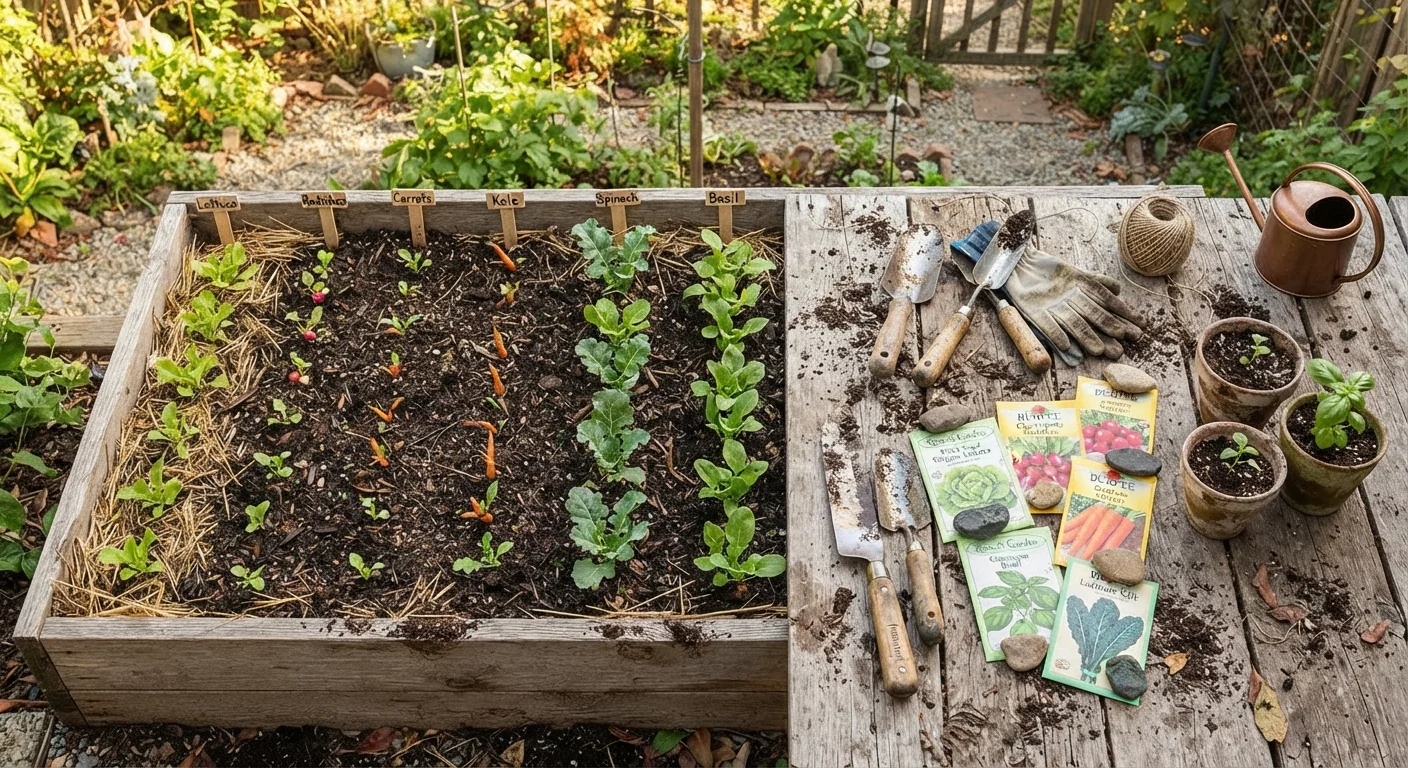
Photo: nativeinfoline.com editorial
Key Takeaways
- A beginner vegetable garden can be started for $50 or less using seeds, recycled containers, and bagged potting mix.
- Fast-growing crops like lettuce, radishes, and green beans give beginners visible results quickly and cut grocery costs.
- Direct-sowing seeds costs far less than buying transplants, especially for crops that don't need an early head start.
- Reusing household containers and collecting rainwater reduces ongoing gardening costs significantly.
- Pairing your harvest with smart meal planning stretches the food budget further.
Why a $50 budget is realistic
Most people assume vegetable gardening requires raised bed lumber, a full tool set, and bags of amendments. It doesn't. A productive first garden needs three things: something to grow in, soil that drains well, and seeds. Everything else is optional.
A single bag of potting mix ($8-$12), a seed packet assortment ($10-$15), and a handful of recycled containers from around the house gets you planting for well under $50. If you need a hand trowel, those run $4-$8 at hardware and dollar stores. The math holds.
The savings show up at the grocery store. High-value crops like salad greens can cost $3-$5 per bag in stores but produce multiple cuts from a single $2 seed packet. That payback happens within one season. For families already thinking about budget meal planning, a small vegetable garden is a natural extension of the same mindset.
Direct sowing
Planting seeds directly into the soil or container where the plant will grow, rather than starting seeds indoors first.
Transplant
A young plant that was started from seed elsewhere, typically in a greenhouse, and is ready to be moved into your garden.
Open-pollinated variety
A plant variety that produces seeds you can save and replant the following year with the same results, unlike hybrid varieties.
Succession planting
Sowing the same crop in multiple small batches a few weeks apart so harvests are spread out over a longer period instead of all at once.
Potting mix
A lightweight soil blend made for containers, designed to drain well while holding enough moisture for roots to absorb water evenly.
Soil and containers without overspending
Soil quality matters more than container quality. Plants will grow in repurposed buckets, produce crates lined with burlap, or wooden boxes built from scrap lumber, as long as drainage holes exist at the bottom. Five-gallon buckets work for tomatoes, peppers, and beans. Shallower containers (6-8 inches deep) handle lettuce, radishes, and herbs.
For soil, a bagged potting mix with compost already blended in gives beginners a reliable base. Avoid products labeled only as 'topsoil' for containers since they compact and restrict root growth. One large bag (1-2 cubic feet) typically fills three to four five-gallon containers.
If you have outdoor space, an in-ground plot removes the container cost entirely. Loosen the top 8-10 inches of soil, mix in one bag of compost ($5-$8), and you have a ready bed. Check for full sun (at least 6 hours per day) before committing to a location.
Which vegetables to plant first
Choose crops that produce quickly, yield a lot per square foot, and survive beginner-level mistakes. These four categories fit that description:
- Salad greens (lettuce, spinach, arugula): Ready in 30-45 days, can be cut repeatedly, grow well in shade and shallow containers.
- Radishes: Ready in 25-30 days, ideal for filling gaps between slower plants, very low cost per packet.
- Green beans (bush type): No staking required, produce heavily, and store well blanched in the freezer.
- Zucchini or summer squash: One or two plants produce more than most families can eat through summer, giving strong return per dollar spent.
Tomatoes are worth growing, but they take longer and benefit from starting indoors 6-8 weeks before the last frost date. For your first season, buy one or two tomato transplants ($3-$5 each) and direct-sow everything else.
Pairing your harvest with seasonal eating strategies helps you plan meals around what's ripening, which cuts down on grocery trips and food waste.
Seeds versus transplants: where to spend and where to save
Transplants (seedlings already started in trays) cost $3-$6 each and are worth it for crops that need a long growing season: tomatoes, peppers, and eggplant. Starting those from seed at home is possible but requires grow lights or a warm, very bright window, which adds cost and complexity for a first-time grower.
Everything else is worth direct-sowing from seed. Beans, squash, cucumbers, carrots, beets, and all the greens germinate fast in warm soil and do not transplant well anyway. A packet of bean seeds typically costs $2-$3 and contains 50-100 seeds. A transplant gives you one plant.
Check your local library for free seed packets
Save seeds at the end of the season from open-pollinated or heirloom varieties. Tomatoes, beans, and squash all produce seeds you can dry and store for next year at no cost. This is one of the fastest ways to cut your gardening budget in year two.
Keeping costs low as you grow
Water is the main ongoing input, and it's free from a rain barrel. A basic rain barrel ($25-$40) pays for itself within a season in areas with moderate rainfall. Soaker hoses and drip lines conserve water further if you expand the garden later.
Fertilizing can stay simple. A bag of balanced vegetable garden fertilizer ($8-$12) lasts multiple seasons for a small plot. Apply at planting and once mid-season for most crops. Compost from kitchen scraps is a free alternative that improves over time.
As your harvest grows, batch cooking on a budget is a practical way to process large yields without waste. Blanching and freezing green beans or zucchini takes under an hour and extends your garden's value through winter.
Replanting succession crops (sowing a second round of lettuce or beans 3-4 weeks after the first) keeps the harvest continuous through the season without additional upfront cost. Most gardeners find that after the first season, they already have containers, basic tools, and saved seeds, which brings year-two startup costs close to zero.
Frequently Asked Questions
The content provided on our blog site traverses numerous categories, offering readers valuable and practical information. Readers can use the editorial team’s research and data to gain more insights into their topics of interest. However, they are requested not to treat the articles as conclusive. The website team cannot be held responsible for differences in data or inaccuracies found across other platforms. Please also note that the site might also miss out on various schemes and offers available that the readers may find more beneficial than the ones we cover.