
Eating Well on a Tight Budget: What the Evidence Actually Says

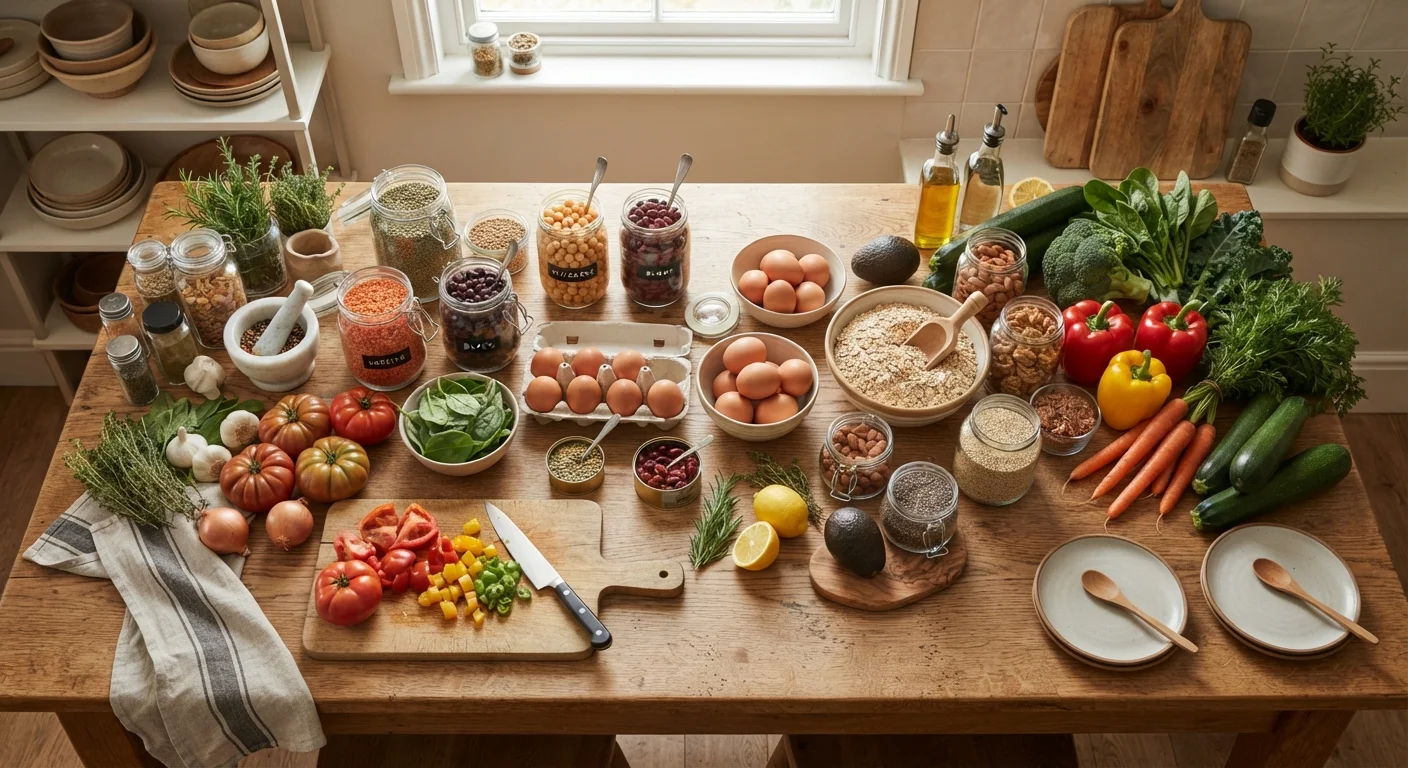
Photo: nativeinfoline.com editorial
Key Takeaways
- Legumes, eggs, oats, and frozen vegetables deliver strong nutrition at low cost per serving.
- USDA data shows that cost per nutrient, not cost per calorie, is a more useful measure of food value.
- Whole foods prepared at home consistently cost less per meal than processed or restaurant alternatives.
- Frozen produce retains most nutrients and is often cheaper than fresh out-of-season options.
- Food assistance programs like SNAP are designed to support nutritional adequacy, not just calorie access.
The cost-nutrition assumption that research challenges
Most families assume that eating well costs more. That assumption is widespread, but it does not hold up consistently against the evidence. A USDA Economic Research Service analysis found that when food cost is measured by nutrient content rather than by package price, many nutrient-dense foods are actually among the cheapest options in the store.
The disconnect comes from how people compare costs. Comparing a bag of chips to a bunch of broccoli by weight makes broccoli look expensive. Comparing them by the vitamins, minerals, and fiber each delivers per dollar spent produces a very different picture. Why healthy food feels expensive examines this gap between perception and evidence in detail.
This does not mean every nutritious food is cheap, or that food budgets are never genuinely strained. For families using SNAP or navigating food insecurity, real constraints exist. The point is that the categories of food most consistently linked to good health outcomes are not, as a rule, the most expensive ones.
$0.15
Approximate cost per serving of dried lentils
Based on USDA Economic Research Service data on the cost of protein-rich foods per edible portion.
90%+
Nutrient retention in most frozen vegetables
Research published in nutrition journals finds that freezing shortly after harvest preserves the majority of vitamins and minerals in most vegetables.
57%
Share of U.S. calories from ultra-processed foods
A study published in BMJ Open analyzing dietary data from the National Health and Nutrition Examination Survey estimated this figure for American adults.
What the evidence says about affordable, nutritious foods
Legumes, meaning dried beans, lentils, and peas, are one of the clearest examples. They provide protein, fiber, iron, and folate at a cost that is far below most animal proteins. A cup of cooked lentils costs roughly the same as a fraction of a chicken breast and delivers comparable protein alongside nutrients that chicken does not provide. For families looking to stretch protein spending, legumes as a family protein source offers practical guidance.
Eggs are another well-documented example. They contain all essential amino acids, choline, and several B vitamins. Per gram of protein, eggs are cheaper than almost every alternative. Oats provide soluble fiber linked to cardiovascular health and cost very little per serving. Canned fish, particularly sardines and tuna, deliver omega-3 fatty acids and protein at low cost.
Frozen vegetables deserve more credit than they typically receive. Because they are frozen close to harvest, they retain most vitamins and minerals, often more than fresh produce that has spent days in transit and storage. Buying frozen spinach, peas, or broccoli instead of fresh out-of-season options is both budget-conscious and nutritionally sound. Seasonal produce calendars can further reduce costs when fresh options are in season.
Where spending on food often goes wrong
Much of what families spend on food does not improve dietary quality. Heavily processed convenience foods, sweetened beverages, and packaged snacks consume a significant share of household food budgets while providing limited nutritional return. Research published in public health journals consistently finds that diets high in ultra-processed foods are associated with poorer health outcomes, and these foods are not actually cheap on a per-nutrient basis.
Supplements are another area where spending often outpaces evidence. Many common household supplement purchases are not supported by strong research for people eating a reasonably varied diet. Overspending on supplements covers which purchases nutrition researchers flag most often as unnecessary.
Home cooking consistently produces better outcomes on both nutrition and cost. A meal built around dried beans, canned tomatoes, and whole grains costs a fraction of a restaurant or takeout equivalent and contains far less sodium, added sugar, and saturated fat. Home cooking versus meal kit services compares these trade-offs directly.
Practical steps that connect evidence to your grocery cart
Building meals around the food categories described above, legumes, whole grains, eggs, frozen vegetables, and seasonal produce, covers the nutritional bases that public health guidelines prioritize. This is not a restrictive approach; it is the structure that most dietary guidelines, including those from the USDA Dietary Guidelines for Americans, already recommend.
Budget-friendly pantry staples provides a concrete list of ingredients that deliver strong nutritional value at low cost. For families working on the grocery budget more broadly, grocery budget strategies covers unit pricing, meal planning, and store-brand swaps that reduce spending without sacrificing variety.
Families navigating tighter constraints can also look into SNAP benefits, WIC, and local food bank resources, which are designed to support access to nutritious food, not just caloric adequacy. Checking eligibility costs nothing and can meaningfully expand what a household can afford to put on the table.
This article is for general informational purposes only and is not medical or dietary advice. Consult a qualified healthcare professional or registered dietitian for guidance specific to your health needs or those of your family members.
Frequently Asked Questions
The content provided on our blog site traverses numerous categories, offering readers valuable and practical information. Readers can use the editorial team’s research and data to gain more insights into their topics of interest. However, they are requested not to treat the articles as conclusive. The website team cannot be held responsible for differences in data or inaccuracies found across other platforms. Please also note that the site might also miss out on various schemes and offers available that the readers may find more beneficial than the ones we cover.