
Pantry Staples That Form the Backbone of Dozens of Cheap Family Meals

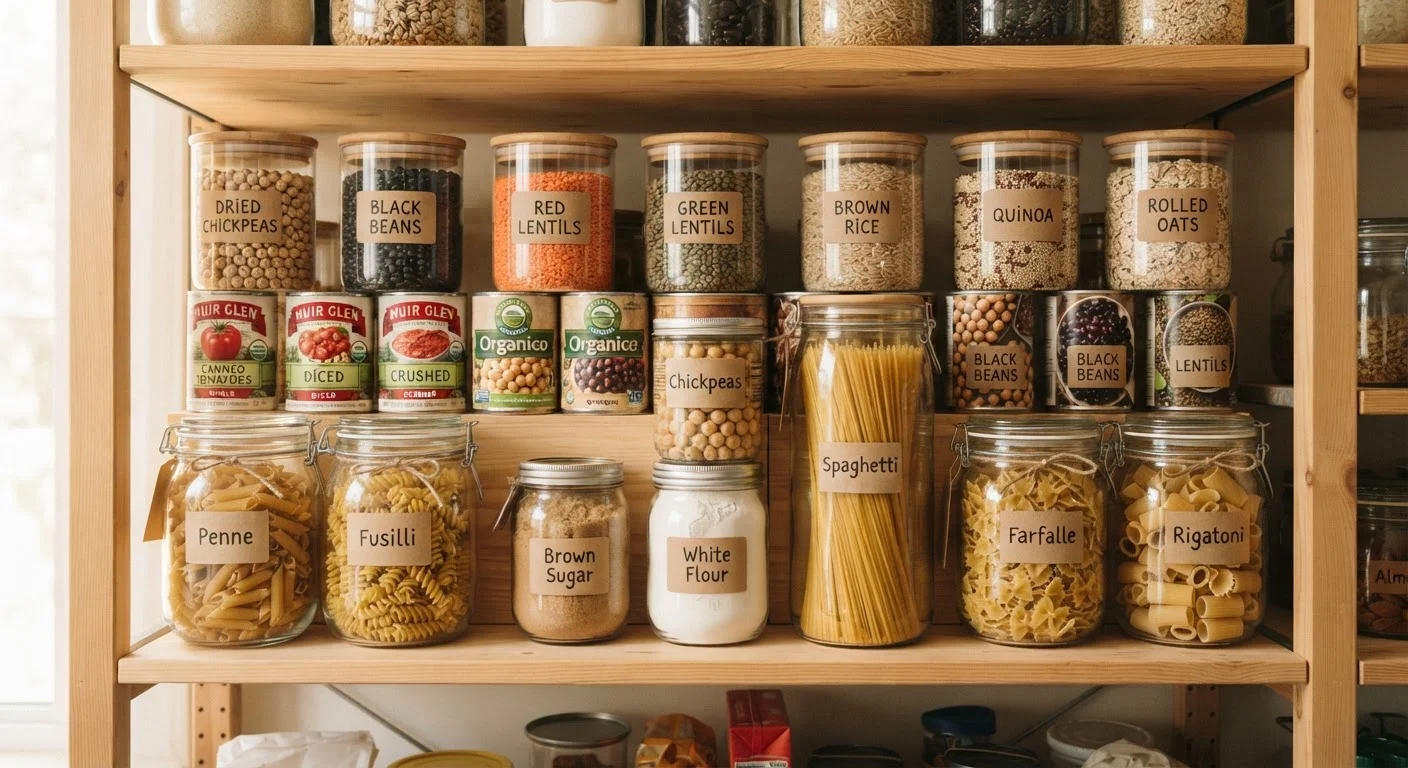
Photo: nativeinfoline.com editorial
Why pantry staples matter more than weekly deals
Chasing weekly store specials saves some money, but a well-stocked pantry saves more. When shelf-stable staples are already on hand, a family can assemble a full dinner from what they have rather than making an unplanned trip that usually costs more than intended. The math is straightforward: ingredients bought in bulk at a low per-unit cost and used repeatedly across many recipes produce far more meals per dollar than any single-use convenience item.
This guide covers the specific staples worth keeping in stock, what each one does nutritionally, and how many meal contexts each one fits. For families working within a formal spending framework, building a plan around the USDA Thrifty Food Plan explains how the federal benchmark aligns with pantry-based cooking.
The core staples and what they actually do
Dried beans and lentils deliver more protein and fiber per dollar than almost any other food. Dried lentils cook in under 30 minutes without soaking. Dried black beans, pinto beans, and chickpeas require soaking but cost roughly half as much per serving as canned versions. All work in soups, tacos, grain bowls, and stews.
Rice (long-grain white or brown) is a calorie-dense base that pairs with virtually any protein or vegetable. A 20-pound bag of long-grain white rice typically yields over 100 half-cup cooked servings. Brown rice adds fiber and a slightly nuttier flavor, though it takes longer to cook.
Oats are one of the lowest-cost breakfasts available. Rolled oats and steel-cut oats both work in overnight preparations and on the stovetop, and they also extend meatloaf, meatballs, and baked goods.
Canned tomatoes (diced, crushed, and paste) form the base of pasta sauces, chili, soups, and braises. A single can of crushed tomatoes can anchor a dinner for four at a cost well under a dollar.
Pasta is fast, filling, and adaptable. Dried pasta stores for years and pairs with canned tomatoes, beans, vegetables, eggs, or any available protein.
Canned fish (tuna, salmon, sardines) gives families a shelf-stable protein that works in salads, pasta, grain bowls, and patties without refrigeration until opened. Nutritionists frequently cite canned fish for its omega-3 content relative to price.
Eggs straddle the line between pantry and perishable but belong in this discussion. At roughly 15 to 20 cents per egg, they supply complete protein and work at every meal.
Cooking oils, salt, pepper, garlic powder, cumin, and paprika cost little per use and determine whether cheap ingredients taste good or bland. A modest spice investment pays off across hundreds of meals.
Canned and frozen produce rounds out a pantry-centered approach without adding much cost, especially for vegetables like corn, peas, and green beans.
Putting the pantry to work
Knowing what to stock is only part of the picture. The staples above produce the most value when they are integrated into a repeatable weekly system. A structured weekly meal plan built around these ingredients reduces the number of decisions made at 5 p.m. and prevents the last-minute spending that quietly inflates grocery bills.
Batch cooking extends the value further. Cooking a large pot of beans or a double batch of rice on Sunday means those staples are ready to assemble into multiple meals through midweek with no added effort. Batch cooking on a budget walks through how to structure that single cooking session. For families new to this approach, a practical starting point for meal prepping covers storage, sequencing, and portion planning without requiring specialized equipment.
This article provides general food and budgeting information only and does not constitute personalized financial or dietary advice. Consult a registered dietitian or qualified financial professional for guidance specific to your household's needs.
The content provided on our blog site traverses numerous categories, offering readers valuable and practical information. Readers can use the editorial team’s research and data to gain more insights into their topics of interest. However, they are requested not to treat the articles as conclusive. The website team cannot be held responsible for differences in data or inaccuracies found across other platforms. Please also note that the site might also miss out on various schemes and offers available that the readers may find more beneficial than the ones we cover.