
Meal Prepping for Nutrition and Savings: A Practical Starting Point

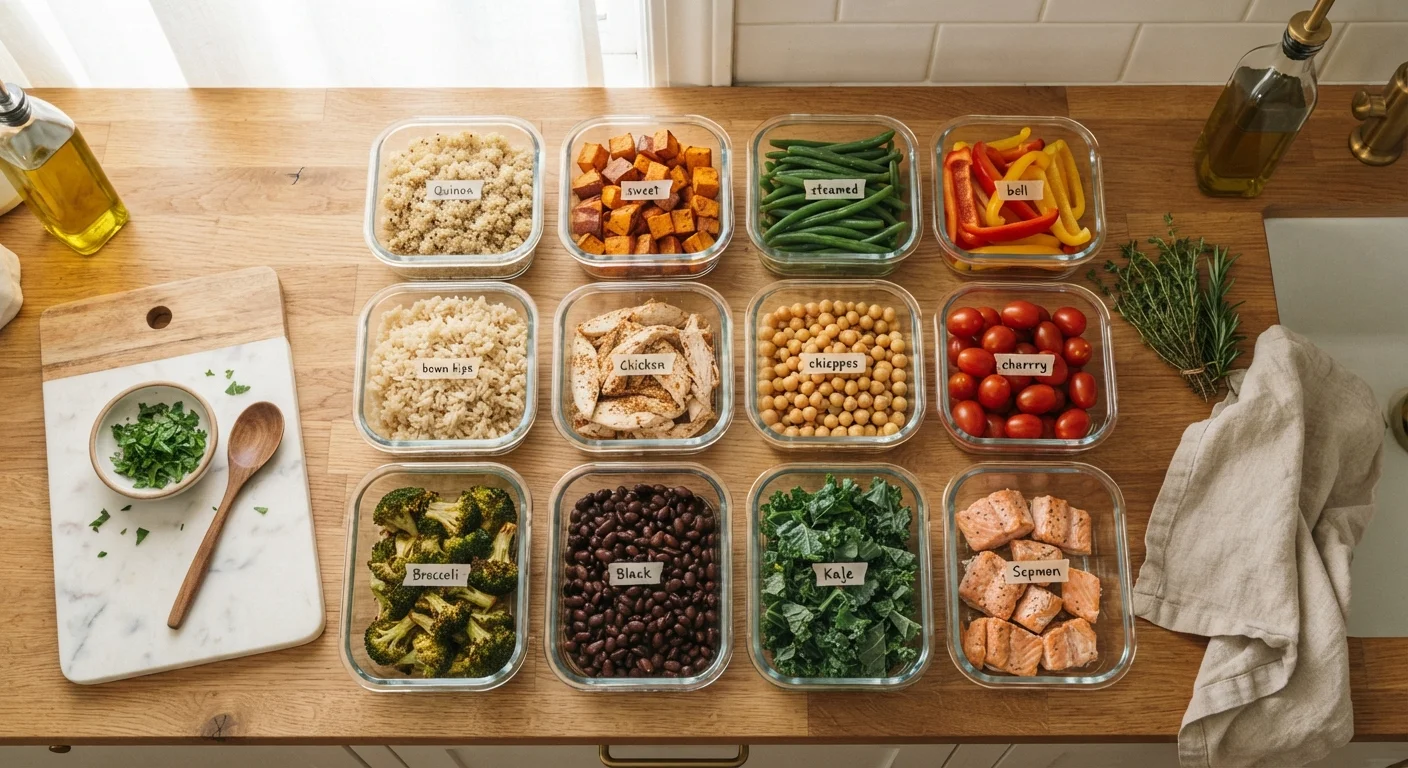
Photo: nativeinfoline.com editorial
Key Takeaways
- Prepping food in batches cuts weeknight decision fatigue and reduces last-minute takeout spending.
- Staple foods like dried beans, whole grains, and frozen vegetables give the most nutritional return per dollar.
- Proper storage containers and labeling prevent waste, which is money lost.
- A single two-hour prep session can cover most weekday lunches and dinners for a family.
- You do not need special equipment or cooking skills to start meal prepping effectively.
Why meal prepping works for budget families
Meal prepping is the practice of preparing ingredients or full meals ahead of time, typically once or twice a week, so that cooking during busy weekdays requires less time and fewer decisions. For families managing tight budgets, those two benefits matter in direct financial terms.
Unplanned meals are expensive. When there is nothing ready to eat at 6 p.m., families often reach for takeout, delivery, or convenience food, all of which cost significantly more per serving than home-cooked food. Having prepped ingredients available removes that pressure point.
Food waste is the other budget drain that prepping addresses. According to USDA estimates, American households discard a substantial share of the food they purchase. Prepping with a specific plan means buying what will actually be used, and storing it properly so it lasts.
If you want a structured framework for what to buy and how much to spend, the USDA Thrifty Food Plan gives families a research-based starting point for planning nutritious, low-cost weekly meals.
What to prep first: a beginner's starting point
The most common mistake first-time preppers make is trying to cook full meals for every day of the week in one session. That approach takes hours, can lead to burnout, and produces food that may not hold up well by day four. A more practical method is prepping components that combine in different ways throughout the week.
Start with three categories:
- A grain: Brown rice, farro, or oats cook in large batches with minimal attention and refrigerate for four to five days.
- A protein: Hard-boiled eggs, a pot of dried beans, or a simple baked protein can be portioned into containers and used across multiple meals.
- Prepped produce: Washed and cut vegetables and fruit require no cooking. Having them ready makes it far easier to include them in quick meals.
Frozen vegetables are worth including in any prepping plan. They are typically frozen shortly after harvest, which preserves nutrients, and they cost less than fresh out-of-season produce. The Frugal Family Food hub has additional guidance on building affordable, balanced grocery lists for families.
Storage basics that protect food and money
How you store prepped food determines how long it stays safe and usable. Poor storage leads to spoilage, which erases the financial benefit of prepping in the first place.
Follow these practices:
- Cool cooked food to room temperature before sealing containers. Trapping heat inside creates condensation that speeds up spoilage.
- Label every container with the contents and the prep date. A piece of masking tape and a marker works fine.
- Store items you will use soonest at eye level in the refrigerator, where they are less likely to be overlooked.
- Freeze anything you will not use within three to four days. Most cooked grains, beans, and proteins freeze well for up to three months.
Before shopping for the week, a quick inventory of what is already in the fridge and pantry prevents duplicate purchases and forgotten ingredients from going to waste. The pre-shopping checklist walks through this process step by step.
Nutrition you can count on without counting everything
A common concern about budget eating is that cheaper food is less nutritious. The evidence does not fully support that assumption. Several of the most nutrient-dense foods available are also among the least expensive: dried legumes, oats, eggs, canned fish, frozen spinach, and sweet potatoes all fit that description.
Meal prepping supports nutritional consistency because it removes the conditions that lead to less nutritious choices. When a family has ready-to-eat food available, they are less likely to reach for heavily processed convenience items.
Building prepped meals around MyPlate proportions (roughly half the plate as vegetables and fruit, a quarter grains, a quarter protein) gives a practical structure that does not require tracking every nutrient. The USDA's MyPlate guidelines are freely available and designed for general public use.
This article provides general nutrition information and is not medical or dietary advice. Families with specific health conditions or children with particular nutrition needs should work with a registered dietitian for personalized guidance.
For families thinking about food costs in the context of the broader household budget, building a family budget from scratch is a practical companion resource.
Getting your first prep session off the ground
A first prep session does not need to be ambitious. Two hours on a weekend afternoon is enough to cover most weekday lunches and several dinners if you focus on components rather than complete recipes.
A simple starting plan:
- Choose one grain, one protein source, and two to three vegetables for the week.
- Check what you already have before buying anything new. A pre-shopping checklist helps here.
- Cook the grain and protein simultaneously to save time.
- Wash, chop, and store raw produce in clear containers at eye level.
- Plan at least two different ways to use each component so the week stays varied.
Families interested in going further, including cooking an entire week of meals in one session, can find detailed guidance in the batch cooking on a budget guide. Growing some of your own produce is another way to lower food costs over time; starting a vegetable garden for under $50 covers how to begin on a tight budget.
This article is for informational purposes only and is not medical or dietary advice. Consult a qualified healthcare professional or registered dietitian before making significant changes to your family's diet.
Frequently Asked Questions
The content provided on our blog site traverses numerous categories, offering readers valuable and practical information. Readers can use the editorial team’s research and data to gain more insights into their topics of interest. However, they are requested not to treat the articles as conclusive. The website team cannot be held responsible for differences in data or inaccuracies found across other platforms. Please also note that the site might also miss out on various schemes and offers available that the readers may find more beneficial than the ones we cover.