
Why Healthy Food Feels Expensive (And Where That Assumption Breaks Down)

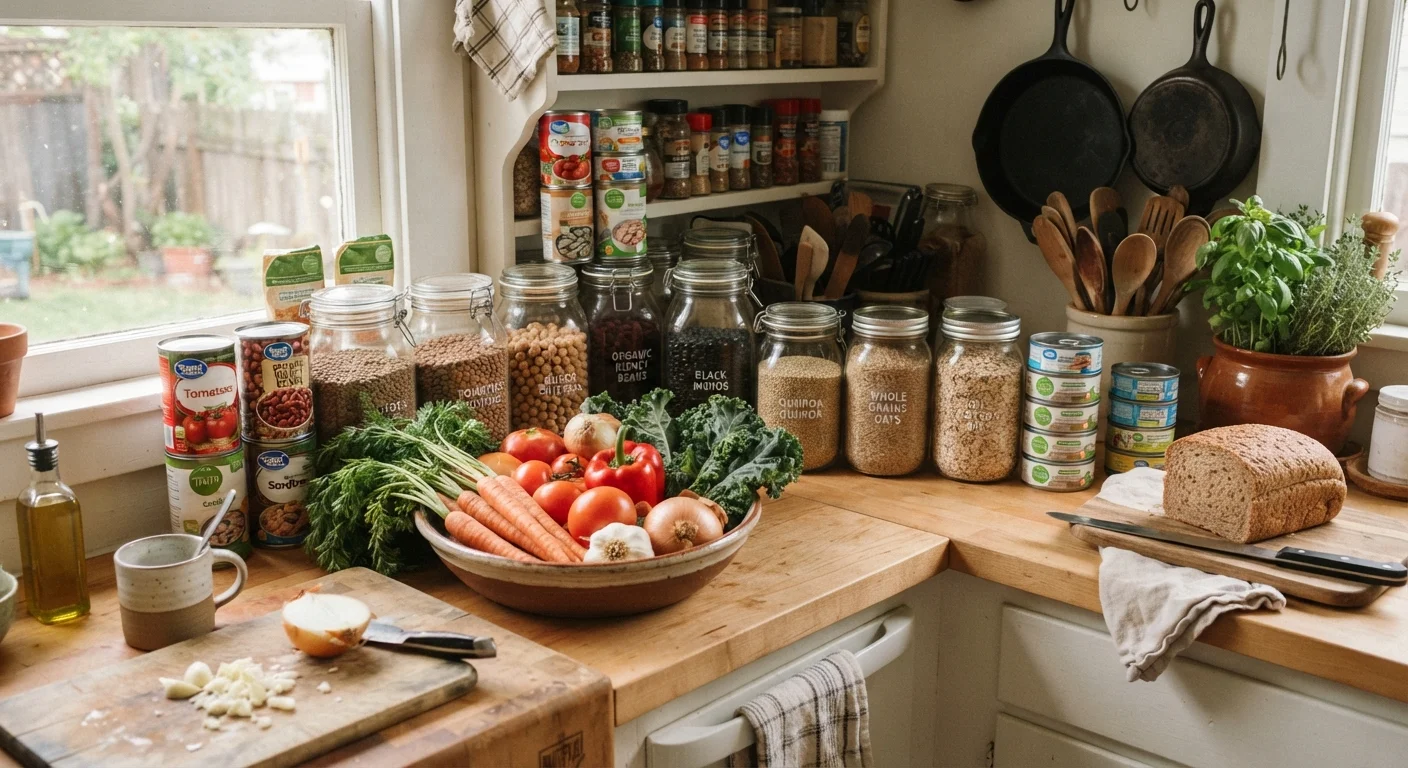
Photo: nativeinfoline.com editorial
Key Takeaways
- Price-per-calorie comparisons often make whole foods look more expensive than they actually are.
- Frozen and canned vegetables retain most of their nutrients and cost less than fresh equivalents.
- Staple proteins like lentils, eggs, and canned beans deliver nutrition at a fraction of meat costs.
- Organic certification does not change the core nutrition profile of most produce.
- Planning meals around what is in season can lower grocery costs without reducing diet quality.
Why the "healthy food is expensive" belief is hard to shake
Grocery store layout, food marketing, and media coverage all skew toward premium health products. Superfood powders, specialty grains, and branded wellness snacks occupy prominent shelf space and advertising budgets. When those are the images associated with healthy eating, a family on a $150 weekly grocery budget reasonably concludes that eating well is out of reach.
The framing also depends on what unit of comparison you use. Comparing a bag of chips to a bunch of kale by price per ounce makes vegetables look expensive. Compare them by calories per dollar, or by nutrient density per dollar, and the picture changes substantially. USDA Economic Research Service analyses have repeatedly found that when food is measured by portion or by edible weight rather than by package price, fruits and vegetables are competitive with or cheaper than many processed snack foods.
For a more detailed look at the evidence, see what the research says about affordable, nourishing food choices.
Common myths, corrected
The following myth-and-fact pairs address the most persistent misconceptions about the cost and quality of nutritious eating. Each one reflects documented evidence from nutrition research and USDA data rather than general opinion.
Myth
Eating healthy always costs more than eating on a budget.
Fact
Many of the most nutrient-dense foods, including dried legumes, oats, eggs, and frozen vegetables, are among the least expensive foods per serving.
The idea that nutrition and affordability are in conflict persists partly because health food marketing often centers premium products. But USDA data consistently shows that foods like dried black beans, lentils, and rolled oats cost well under a dollar per serving and supply meaningful amounts of protein, fiber, and micronutrients. When researchers at the Harvard T.H. Chan School of Public Health compared diet costs, they found the difference between the healthiest and least healthy dietary patterns averaged about $1.50 per person per day, a gap that many families can close through strategic staple shopping.
Myth
Frozen vegetables are nutritionally inferior to fresh ones.
Fact
Frozen vegetables are typically processed within hours of harvest, which preserves most water-soluble vitamins at levels comparable to fresh produce.
Research published in the Journal of Food Composition and Analysis found that frozen vegetables were nutritionally equivalent to, and in some cases superior to, their fresh counterparts, particularly when fresh produce had been stored for several days before purchase. Vitamin C and B vitamins can degrade during transport and shelf time. Buying frozen also reduces waste, since families can use exactly what they need and keep the rest. For tight budgets, frozen spinach, peas, broccoli, and mixed vegetables deliver reliable nutrition at lower prices year-round.
Myth
You need organic produce to eat healthily.
Fact
Conventional produce provides the same macronutrients, fiber, and most micronutrients as organic versions, and both are associated with better health outcomes than not eating vegetables at all.
Organic certification addresses farming practices and permitted pesticide use, not the fundamental nutrient composition of the food. The USDA and major dietetic associations agree there is no strong evidence that organic produce is nutritionally superior for most people. Families who cannot afford organic still benefit substantially from eating a variety of fruits and vegetables in any form. If pesticide residue is a concern, the Environmental Working Group publishes guidance on which conventional crops carry the lowest residues, allowing for targeted choices without across-the-board premium spending.
Myth
Cheap protein sources lack the quality of more expensive animal proteins.
Fact
Plant-based proteins like lentils, chickpeas, and tofu provide complete or near-complete amino acid profiles and are associated with positive health outcomes in research.
Animal proteins are often cited as nutritionally superior because they contain all essential amino acids. However, combining plant proteins throughout the day, something most people do naturally when eating varied meals, addresses any individual amino acid gaps. Eggs remain one of the most complete single-food proteins available at low cost. Canned salmon and sardines supply omega-3 fatty acids and protein at prices well below fresh fish. Families do not need expensive cuts of meat to meet protein needs when these alternatives are incorporated into regular meals.
Myth
Cooking healthy food from scratch takes too long for busy families.
Fact
Many nutritious meals built around staples like beans, grains, and eggs require 20 to 30 minutes of active preparation or less.
Time is a real constraint, but the comparison is often unfair. Convenience foods are measured against elaborate scratch cooking rather than simple, fast, whole-food meals. A pot of lentil soup, a stir-fry with frozen vegetables and eggs over rice, or black beans warmed with spices and served over corn can each come together in under 30 minutes. Batch cooking grains and legumes once a week further compresses weeknight prep time. The Frugal Family Food hub has additional ideas for meals that fit real household schedules.
Spending patterns matter too. Families sometimes spend significantly on supplements that deliver little verified benefit, while underinvesting in whole foods. The research on common supplement spending habits outlines where that money often goes unnecessarily.
Practical starting points for lower-cost nutritious eating
Shifting even two or three meals per week toward legume-based or egg-based dishes can meaningfully reduce a household protein budget without reducing nutritional quality. Buying frozen vegetables as a default and reserving fresh purchases for produce consumed within two days cuts both cost and food waste at once.
Produce calendars are one underused tool for keeping costs down. When families buy what is in season locally, prices tend to be lower because supply is high and transport distance is shorter. Seasonal eating strategies can lower food bills while keeping variety in the diet across the year.
For families weighing the time cost of home cooking against convenience services, a direct comparison of home cooking and meal kits on cost and nutrition provides a grounded reference point.
This article is for general informational purposes only and does not constitute medical or dietary advice. Consult a registered dietitian or qualified healthcare professional for guidance specific to your household's nutritional needs.
The content provided on our blog site traverses numerous categories, offering readers valuable and practical information. Readers can use the editorial team’s research and data to gain more insights into their topics of interest. However, they are requested not to treat the articles as conclusive. The website team cannot be held responsible for differences in data or inaccuracies found across other platforms. Please also note that the site might also miss out on various schemes and offers available that the readers may find more beneficial than the ones we cover.