
Where Families Quietly Overspend Every Month

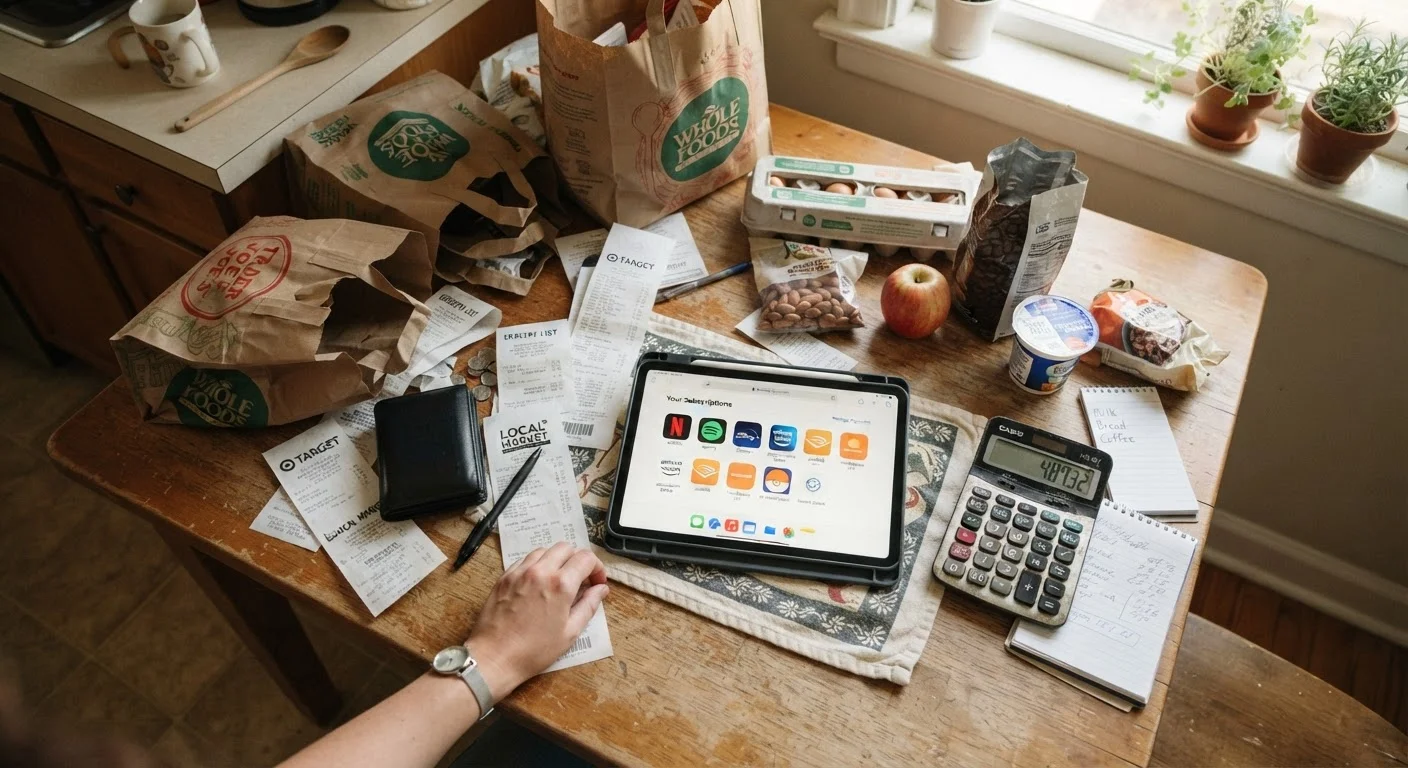
Photo: nativeinfoline.com editorial
Key Takeaways
- Unused subscriptions and streaming services cost the average household several hundred dollars per year.
- Grocery overbuying, especially fresh produce, leads to significant food waste and budget losses.
- Convenience fees on food delivery and payment apps quietly inflate monthly spending by 20 to 30 percent.
- Impulse supplement purchases often duplicate nutrients families already get through food.
- A monthly 20-minute spending audit catches most of these leaks before they compound.
Why household budgets leak in predictable ways
Most budget problems are not dramatic. Families do not overspend because of one large, reckless purchase. The drain comes from a cluster of small, recurring charges that each seem reasonable in isolation: a streaming service here, a delivery order there, a supplement added to the cart at checkout. None of these feels significant until they are counted together.
The Consumer Financial Protection Bureau (CFPB) encourages households to review spending by category rather than by individual transaction, because patterns only become visible at the category level. That framing is useful. When you group all subscription charges into one line, all delivery costs into another, and all convenience fees into a third, the totals often surprise people who thought they had their spending under control.
The mistakes below are the categories where household money most reliably disappears without a deliberate decision to spend it. Each one has a clear, low-effort fix. For a broader look at impulse spending before it starts, see a pre-shopping checklist that works for both in-store and online trips.
Paying for subscriptions that no one in the household uses anymore.
Overbuying fresh groceries without a meal plan in place.
Using food delivery apps for routine meals rather than occasional convenience.
Buying household supplements without knowing whether they duplicate nutrients already in the family diet.
Paying convenience and processing fees without noticing them.
Building a monthly audit habit
A 20-minute review of bank and credit card statements, done on the same day each month, catches most of these leaks. The goal is not to build a complex spreadsheet. It is to group charges into four buckets: subscriptions, food (groceries plus delivery), fees, and health products. Add each bucket. Compare the total to what you expected to spend.
Small charges accumulate faster than you think
If the grocery bucket runs high, understanding why food budgets break down mid-week can help you identify where the plan falls apart. If the subscription bucket surprises you, cancel before the next billing cycle. If convenience fees appear repeatedly, switch those payments to ACH transfers where your provider allows it.
Loyalty programs at grocery stores and pharmacies can offset some costs, but they come with tradeoffs worth understanding. See what loyalty programs give up in exchange for perks before assuming the savings are straightforward. Similarly, couponing has its own pitfalls: grocery bills can keep climbing even with coupons when the underlying shopping habits do not change.
Free trials rarely stay free
This article is for general informational and educational purposes only and does not constitute financial, medical, or professional advice. Consult a qualified financial adviser or healthcare professional for guidance specific to your situation.
The content provided on our blog site traverses numerous categories, offering readers valuable and practical information. Readers can use the editorial team’s research and data to gain more insights into their topics of interest. However, they are requested not to treat the articles as conclusive. The website team cannot be held responsible for differences in data or inaccuracies found across other platforms. Please also note that the site might also miss out on various schemes and offers available that the readers may find more beneficial than the ones we cover.