
A Pre-Shopping Checklist for Avoiding Impulse Overspending

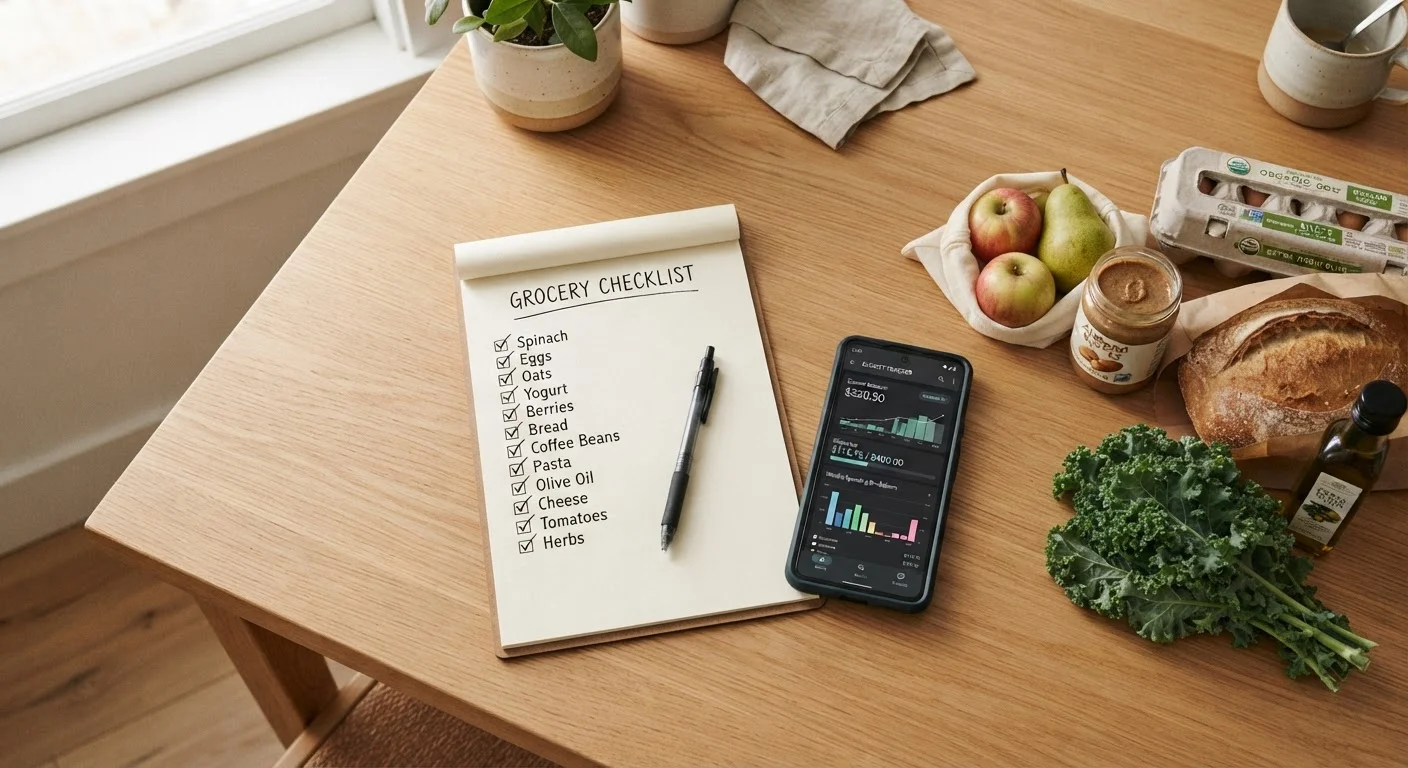
Photo: nativeinfoline.com editorial
Key Takeaways
- Checking your budget ceiling before shopping prevents the most common form of overspending.
- A written list reduces unplanned purchases more reliably than mental lists.
- Waiting 24 to 48 hours before buying non-essentials eliminates most impulse decisions.
- Verifying that a discount is genuine protects against retailer pricing tactics.
- Tracking what you already own at home prevents duplicate and waste purchases.
Why a pre-shopping checklist works
Most overspending does not happen because of one large, reckless purchase. It accumulates through small, unconsidered ones: the item that seemed like a deal, the extra snack thrown in at checkout, the online cart filled while scrolling at midnight. These purchases share a common cause: you started shopping without a clear decision framework.
Running through a short checklist before any trip (or any browsing session) forces a pause. That pause is where budget discipline actually lives. Behavioral research has consistently found that inserting friction between an impulse and a purchase reduces follow-through. This checklist is that friction, structured and reusable.
For grocery-specific prep, see the pre-shopping grocery checklist which covers pantry checks and meal planning steps. This checklist is broader: it applies to any shopping context, in-store or online, food or non-food.
Budget and list preparation
Need versus want check
Price and deal verification
Impulse-resistance checks
Post-shop review setup
Tools that support the process
The checklist itself requires nothing more than a pen and paper. A few free tools, however, make several steps faster and more reliable.
Price history tracker (browser extension)
Shows the historical price of an online item so you can tell whether a sale price is genuinely lower than the usual price.
Budget tracking app
Lets you check your available spending balance before and after a trip so you stay within your set ceiling.
Digital notes or list app
Stores your shopping list and 'consider later' items separately so impulse additions stay off the active list.
Cashback portal or browser extension
Surfaces available cashback offers for stores you already plan to visit, applied only to items already on your list.
Unit price calculator (phone calculator)
Calculates cost per ounce, per sheet, or per use so you can compare differently sized packages accurately.
For a wider view of household spending patterns, the monthly budget reset checklist is a good follow-on step. It helps you identify which shopping categories consistently run over and adjust allocations before the next cycle. You can also cross-reference your grocery habits with the weekly grocery audit to spot where food spending leaks even after careful pre-trip planning.
Sales and limited-time offers can override planning
Cashback and coupon stacking can encourage overspending
The content provided on our blog site traverses numerous categories, offering readers valuable and practical information. Readers can use the editorial team’s research and data to gain more insights into their topics of interest. However, they are requested not to treat the articles as conclusive. The website team cannot be held responsible for differences in data or inaccuracies found across other platforms. Please also note that the site might also miss out on various schemes and offers available that the readers may find more beneficial than the ones we cover.