
Smart Substitutions: Affordable Materials That Look Expensive in Any Room

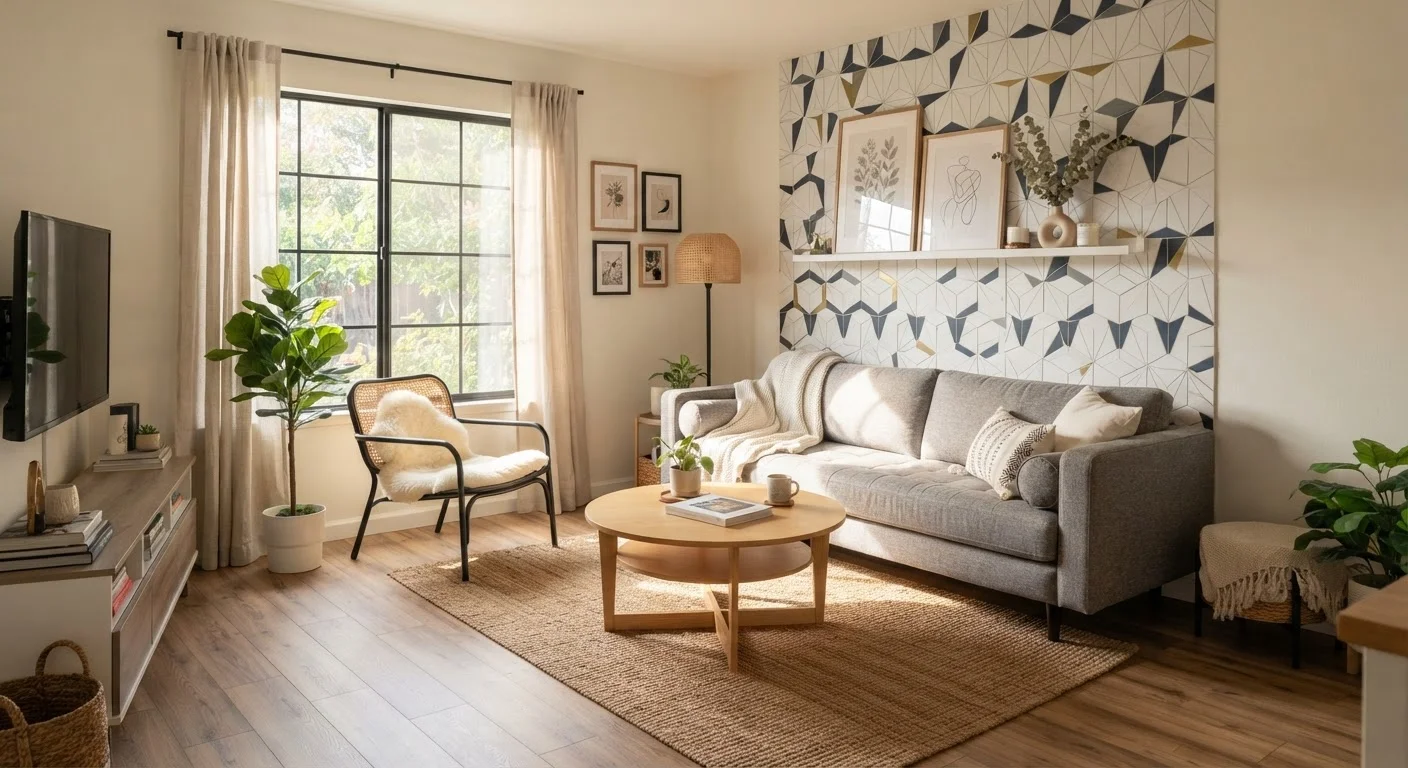
Photo: nativeinfoline.com editorial
Key Takeaways
- Laminate and luxury vinyl plank flooring can closely replicate the look of hardwood at a fraction of the cost.
- Peel-and-stick tiles work well in low-moisture areas but need careful surface prep to hold long-term.
- Contact paper and adhesive film can update cabinetry and furniture surfaces without painting or replacing them.
- Beadboard paneling adds architectural detail to walls for far less than custom millwork or wainscoting.
- Grout pen and caulk upgrades can refresh existing tile installations at very low material cost.
- Surface preparation is the single biggest factor determining whether a budget material looks cheap or convincing.
Where budget materials actually work
The home improvement aisle has changed. Materials that once read immediately as 'cheap' have improved to the point where the visual difference between a $3-per-square-foot laminate plank and a $12 hardwood floor can be negligible once installed. The gap between affordable and expensive is now mostly about installation quality and surface prep, not the material itself.
That said, not every budget substitute works equally well in every situation. Some hold up for years with no visible wear. Others look convincing on day one but degrade quickly in humidity or high-traffic zones. The list below focuses on the substitutions that genuinely deliver and flags where each one has limits.
For a comparison of how similar value-versus-quality thinking plays out in other household categories, see store brands vs. name brands. The same logic applies: the swap is only worth it when the result is close enough to matter.
Luxury vinyl plank flooring over hardwood
Luxury vinyl plank (LVP) is one of the most convincing substitutions available. Modern LVP uses high-resolution photographic layers under a rigid wear layer, producing a grain texture that is difficult to distinguish from real wood at a glance or underfoot. Most products are waterproof, making them suitable for kitchens and bathrooms where hardwood is not recommended.
Cost typically runs between $2 and $7 per square foot for the material, compared to $8 to $15 or more for solid hardwood. Installation is DIY-friendly through click-lock systems that do not require adhesive or nailing. The main limitation is that LVP cannot be sanded and refinished, so deep gouges are permanent.
LVP is waterproof and click-lock installable, making it a strong hardwood alternative in kitchens and bathrooms.
Peel-and-stick tile for backsplashes and accent areas
Peel-and-stick tile has improved considerably. Thicker vinyl and gel formats now mimic subway tile, mosaic, and encaustic patterns with enough dimensional texture to pass visual inspection. In a kitchen backsplash or laundry room, the result can look intentional and finished.
Performance depends heavily on where you use it. Low-humidity areas with clean, primed walls work well. Steam-heavy showers are not a good fit. Grease near a stovetop can lift edges over time unless you seal them. For a comparison of how peel-and-stick products hold up in wallpaper applications, the peel-and-stick versus traditional wallpaper analysis covers durability in detail.
Thick vinyl peel-and-stick tiles look convincing in dry areas, but edge sealing near stovetops prevents early failure.
Contact paper and adhesive film for cabinetry
Wood-grain and marble-print adhesive films have become a practical way to update cabinet faces, drawer fronts, and furniture surfaces without paint or replacement. The key to a professional result is cutting precisely, using a squeegee to push out bubbles from the center outward, and overlapping seams at inside corners rather than edges.
Adhesive film works best on flat cabinet doors. Raised-panel cabinets have edges and grooves that are harder to wrap cleanly, and film tends to lift at corners over time. On flat IKEA-style fronts or laminate furniture, it holds reliably and can be removed without damage, which matters for renters.
Flat cabinet faces and laminate furniture surfaces are where adhesive film performs most convincingly and lasts longest.
Beadboard panels instead of custom wainscoting
Beadboard wainscoting is a traditional wall treatment that adds visual structure and a sense of architectural detail to hallways, dining rooms, and bathrooms. Custom millwork for this effect runs into the hundreds of dollars per linear foot once you factor in carpentry time. Pre-primed MDF beadboard panels from a home center cost a fraction of that and install with construction adhesive and finish nails.
Painting the panels the same color as the trim unifies the look and makes it read as intentional rather than budget. Cap the top edge with a simple chair rail molding for a clean finish. The result is indistinguishable from more expensive versions at normal viewing distance.
Painting beadboard panels to match your trim makes the installation read as custom millwork at a fraction of the cost.
Grout pens and caulk to refresh tired tile
Existing tile in good structural condition often looks dated because the grout has discolored rather than because the tile itself is worn. A grout pen, which is essentially a paint marker formulated for porous grout lines, can restore white or colored grout lines in an afternoon for under $20. For deeper staining, a light sanding and regrouting costs more but is still a fraction of retiling.
Replacing cracked or yellowed caulk at the tub-wall junction and around fixtures makes the biggest visual difference per dollar spent in a bathroom. A tube of caulk costs a few dollars, and the weekend grout refresh process walks through both steps in detail. Clean grout and fresh caulk can make a ten-year-old tile installation look newly installed.
Grout pens and fresh caulk return more visual improvement per dollar than almost any other bathroom update.
Getting the most from your material choices
Across all of these substitutions, the pattern is consistent: clean, flat, primed surfaces make budget materials look expensive, while skipping prep makes even quality products look poor. Spending 80% of your time on surface work and 20% on the material itself is a reliable ratio.
Surface prep determines the final look
If a wall or floor surface is in rough shape before you start, budget for fixing it first. Peel-and-stick tiles over uneven subfloor, or contact paper over greasy cabinets, will peel and bubble within weeks. For wall projects, the common mistakes first-time painters make applies here too: prep is not optional. And if your existing tile just needs a refresh rather than a full swap, a grout refresh can transform the look for a few dollars in materials.
This article is for general informational purposes. Always verify local building codes and permit requirements before beginning any structural or plumbing-adjacent home improvement project. For electrical or gas-related work, consult a licensed professional.
The content provided on our blog site traverses numerous categories, offering readers valuable and practical information. Readers can use the editorial team’s research and data to gain more insights into their topics of interest. However, they are requested not to treat the articles as conclusive. The website team cannot be held responsible for differences in data or inaccuracies found across other platforms. Please also note that the site might also miss out on various schemes and offers available that the readers may find more beneficial than the ones we cover.