
Before Every Winter: A Home Maintenance Checklist for Families on a Budget

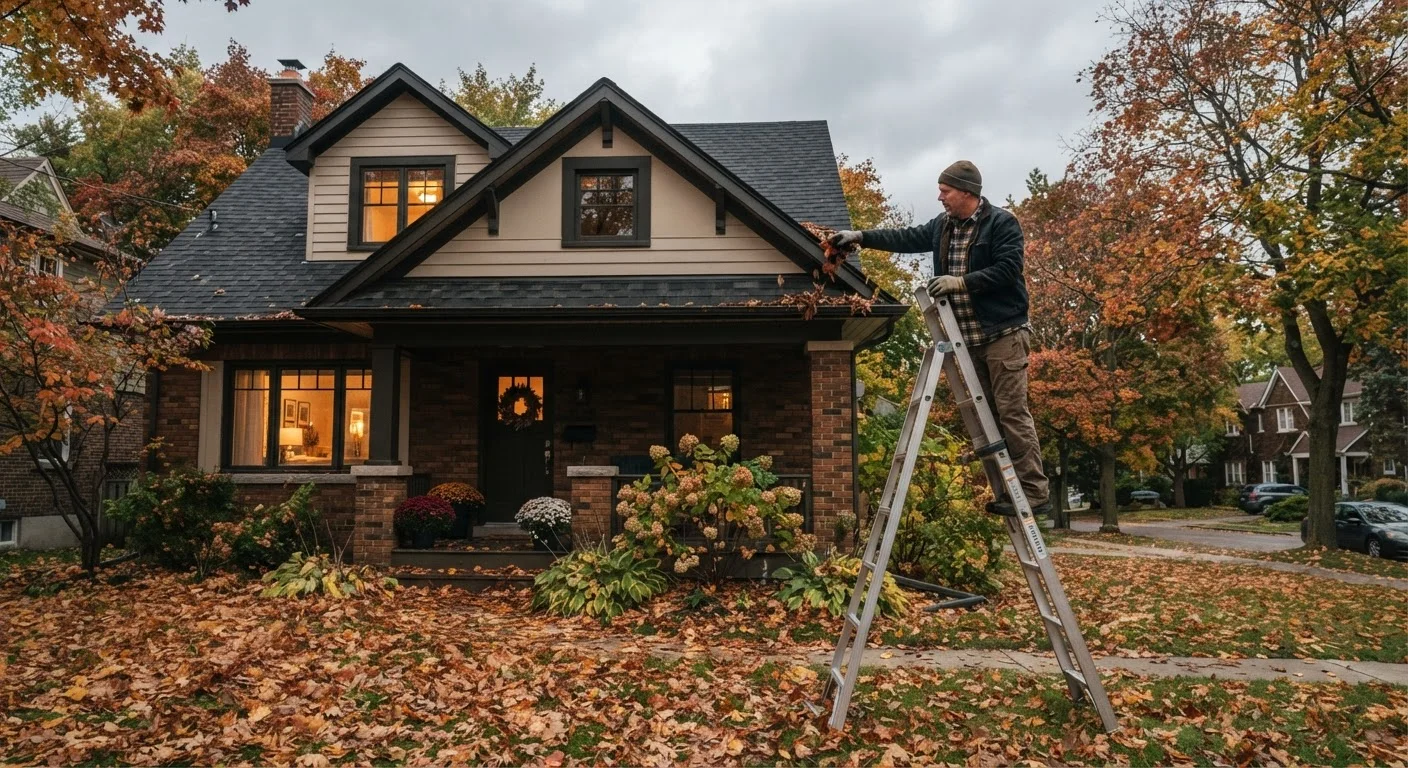
Photo: nativeinfoline.com editorial
Key Takeaways
- Catching small problems in fall costs far less than emergency repairs in January.
- Most tasks on this checklist require no special skills and cost under $30 in materials.
- Heating system maintenance and pipe insulation are the two highest-priority items for cold climates.
- Air sealing doors and windows is one of the fastest ways to cut monthly heating bills.
- A completed checklist doubles as documentation if you ever need to file a homeowner's insurance claim.
Why fall prep matters for families watching costs
Winter repairs arrive without warning and rarely at a convenient time. A burst pipe, a failed furnace, or a roof leak caused by ice dams can each run into the hundreds or thousands of dollars. The good news is that most of those failures give early signals weeks before cold weather sets in. A systematic fall walkthrough catches those signals while the fixes are still cheap.
This checklist is organized by area of the home, so you can work through it section by section on a Saturday morning without losing your place. It covers the tasks that matter most for families trying to hold costs down, and it flags the jobs that genuinely require a licensed professional rather than a confident homeowner.
If your household budget is already stretched, pairing this checklist with a plan for unexpected expenses makes sense. See how to build a family emergency fund even on a tight income, so a surprise repair does not derail the rest of your finances.
What you will need
Most of these tasks call for basic supplies you may already own. A few items are worth picking up at a hardware store before you start.
Caulk gun and exterior caulk
Seals gaps around windows, doors, and penetrations to stop air and moisture infiltration.
Weatherstripping
Fills gaps around door frames and the attic hatch to reduce drafts.
Foam pipe insulation
Wraps exposed pipes in unheated spaces to reduce freeze risk.
Furnace filter (correct size for your unit)
Replaces the dirty filter to maintain heating efficiency and air quality.
Ladder (6-foot step ladder or extension ladder)
Needed to safely reach gutters, exterior soffits, and high windows.
Flashlight or headlamp
Lets you inspect dark areas such as crawl spaces, attics, and behind appliances.
Radiator bleed key
Required for bleeding trapped air from hot-water radiators in older heating systems.
Foam outlet gaskets
Inexpensive inserts behind outlet and switch covers on exterior walls that block drafts.
For any work involving your electrical panel, gas lines, or structural components, stop and call a licensed contractor. This checklist focuses on maintenance tasks a homeowner can complete safely without permits or specialized training.
The full checklist
Exterior and roof
Doors, windows, and air sealing
Heating system
Plumbing and water
Garage and entryways
Air sealing is one of the fastest-payback tasks on this entire list. If you want a deeper walkthrough on materials and technique, weatherstripping and caulking covers exactly where to look and what to use.
Do not skip the professional heating inspection
Keeping costs in check all season
Completing this checklist once is useful. Building it into an annual habit, timed to the same weekend each fall, is more valuable. Over several years, you accumulate a record of what was inspected, what was repaired, and what is aging. That record helps you budget ahead for bigger replacements like a water heater or roof rather than reacting to them as emergencies.
After you finish the physical walkthrough, spend 20 minutes on your household budget to account for any repairs you identified. The monthly budget reset checklist is a good companion for that step, and the same pre-planning mindset that saves money on home upkeep works in other areas too. Families who take a structured approach before grocery shopping typically find they carry that habit into other spending decisions as well.
This article is for general informational and educational purposes only. It does not constitute professional legal, financial, or contracting advice. Always verify local building codes and permit requirements before undertaking any home repair, and consult a licensed professional for electrical, gas, structural, or other regulated work.
The content provided on our blog site traverses numerous categories, offering readers valuable and practical information. Readers can use the editorial team’s research and data to gain more insights into their topics of interest. However, they are requested not to treat the articles as conclusive. The website team cannot be held responsible for differences in data or inaccuracies found across other platforms. Please also note that the site might also miss out on various schemes and offers available that the readers may find more beneficial than the ones we cover.