
Frozen vs. Fresh Produce: Which Is Healthier for Your Grocery Dollar?

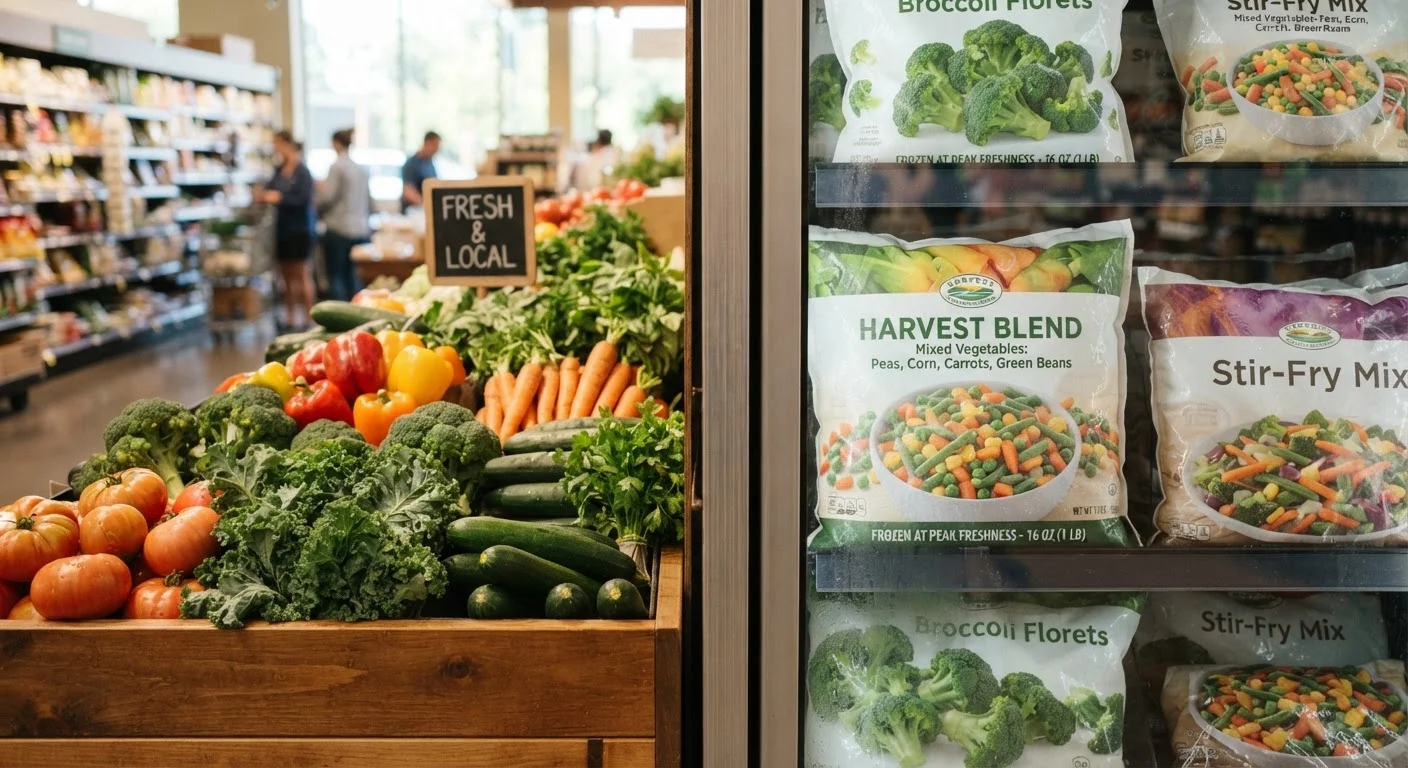
Photo: nativeinfoline.com editorial
Key Takeaways
- Frozen vegetables are often nutritionally comparable to fresh, and sometimes superior for certain vitamins.
- Fresh produce is most cost-effective when bought in season and used promptly to avoid waste.
- Frozen produce typically costs less per usable serving because there is no spoilage loss.
- Both forms can fit a healthy family diet; the best choice depends on how and when you shop.
- Blanching before freezing does reduce some heat-sensitive nutrients, but overall vegetable quality is well preserved.
What the nutrition research actually shows
The assumption that fresh is always more nutritious than frozen does not hold up consistently. Vegetables destined for freezing are picked at peak ripeness and processed within hours, which locks in much of their nutrient content. Research published by the University of California, Davis found that frozen vegetables showed comparable or higher levels of certain vitamins, including vitamin C and folate, compared with fresh produce that had spent several days in transit and refrigerated storage.
Fresh vegetables do start with high nutrient levels immediately after harvest, but those levels decline during shipping and storage. A head of broccoli that traveled from farm to distribution center to store shelf and then sat in your refrigerator drawer for four days has lost a meaningful share of its water-soluble vitamins by the time it reaches the pan.
One genuine trade-off with frozen produce involves blanching. Most vegetables are briefly boiled before freezing to stop enzyme activity. Blanching reduces some heat-sensitive nutrients, particularly vitamin C and certain B vitamins, but the losses are generally modest and the remaining nutrient profile is still substantial.
About nutrient loss and individual needs
This article is general nutrition information and is not a substitute for advice from a registered dietitian or qualified healthcare provider.
Cost per usable serving: the number that matters
Sticker price alone does not tell the full story. A pound of fresh spinach may appear cheaper than a pound of frozen spinach until you account for the water weight lost in cooking and any leaves that wilt before they are eaten. Frozen spinach is already blanched and compact, so a pound of frozen goes further by weight than a pound of fresh in most cooked applications.
Spoilage is where fresh produce quietly drains grocery budgets. The USDA Economic Research Service has estimated that American households waste a substantial share of the fresh fruits and vegetables they purchase, with loss rates higher for perishables than for shelf-stable foods. Every item that goes into the compost or trash represents money already spent. Frozen produce, stored correctly, has a shelf life measured in months rather than days, which largely eliminates that loss.
| Criterion | Fresh produce | Frozen produce |
|---|---|---|
| Nutrient levels at purchase | High if very fresh; declines quickly | Stable; locked in at peak ripeness |
| Shelf life | Days to one week | Several months |
| Spoilage risk | High without careful planning | Low |
| Cost consistency | Varies with season | Relatively stable year-round |
| Texture in cooked dishes | Firm and varied | Softer after thawing |
| Texture in raw dishes | Crisp, suitable for salads | Not suitable for most raw uses |
| Convenience | Requires frequent shopping | Ready to cook from freezer |
Seasonal timing shifts the math. Fresh tomatoes in August often cost less than frozen tomatoes and taste better, while fresh tomatoes in January carry a premium and lower nutrient density from longer transit times. Buying by season is one of the most reliable ways to get better value from fresh produce year-round. For everything out of season, frozen is usually the smarter dollar-for-dollar choice.
Practical ways to use both in a family kitchen
Fresh and frozen produce do not compete so much as they cover different needs within the same household. Fresh works well in raw preparations, where texture matters: salads, slaws, crudites for kids, and dishes where a crisp bite is part of the appeal. Frozen works best where the vegetable will be cooked: soups, stir-fries, casseroles, smoothies, and side dishes where softness is acceptable or preferred.
A workable approach for most families is to keep a small selection of fresh vegetables for the meals planned in the next two to three days, and rely on frozen for the rest of the week. This reduces spoilage and keeps variety without requiring daily shopping. A weekly grocery audit can help identify which fresh items routinely go to waste and are better replaced with frozen.
For a broader look at how fresh, frozen, and canned options each stack up on cost and convenience, see this comparison of all three produce forms. And if grocery spending overall needs a reset, grocery budget strategies that work in real households covers the broader picture.
The content provided on our blog site traverses numerous categories, offering readers valuable and practical information. Readers can use the editorial team’s research and data to gain more insights into their topics of interest. However, they are requested not to treat the articles as conclusive. The website team cannot be held responsible for differences in data or inaccuracies found across other platforms. Please also note that the site might also miss out on various schemes and offers available that the readers may find more beneficial than the ones we cover.