
Road Trip Planning for Families on a Tight Budget

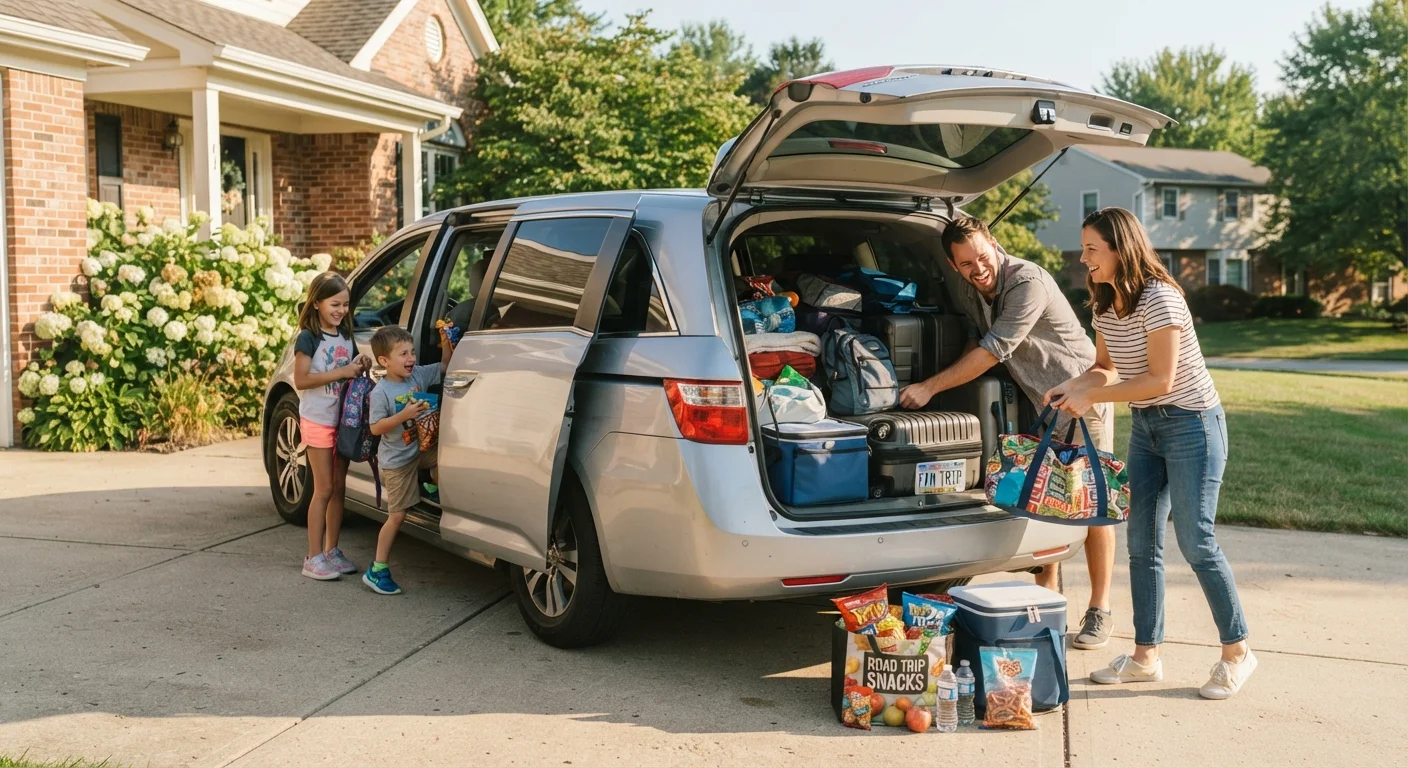
Photo: nativeinfoline.com editorial
Key Takeaways
- Departing mid-week and avoiding peak travel dates cuts fuel and lodging costs noticeably.
- Packing a cooler with road food is one of the most reliable ways to reduce daily spending.
- Free or low-cost stops, like national forest areas and state parks, stretch the trip without inflating the budget.
- Booking accommodations with a kitchen lets families avoid restaurant meals for breakfast and lunch.
- A realistic per-day budget set before departure prevents overspending at the halfway point.
Why road trips make financial sense for families
Flying a family of four anywhere adds up fast once you factor in checked bags, airport parking, and ground transportation at the destination. A road trip consolidates most of those costs into fuel and eliminates the per-seat pricing that makes air travel so punishing for large families. That math gets even better when the vehicle already owned handles the trip without renting anything.
The catch is that a poorly planned road trip can bleed money just as quickly through impulse restaurant stops, premium gas purchases, and last-minute lodging. The steps below address each of those leaks directly. For a broader look at how travel prices shift and why, see what drives family travel costs.
Set a hard daily budget before mapping anything
Write down what the family can spend per day, broken into fuel, food, lodging, and activities. A common mistake is budgeting only for the destination and forgetting that driving days still cost money. Use your vehicle's current MPG and the approximate mileage of the route to estimate fuel spend. The Smart Family Budgeting hub has worksheets and frameworks that translate directly to trip planning.
Choose a route that puts free stops on the path
National forests, Bureau of Land Management recreation areas, and state parks with no-fee day use are scattered across most driving corridors in the U.S. Routing through or near them gives the family a legitimate stop without an admission charge. Roadside historical markers, scenic overlooks, and small-town main streets also break up driving without costing anything. Mapping these in advance prevents the default of stopping wherever looks convenient, which is usually a paid attraction or a strip mall.
Time the departure to avoid peak traffic and pricing
Leaving Tuesday through Thursday avoids weekend traffic and the higher lodging demand that comes with it. Starting before 7 a.m. on driving days reduces both traffic delays and the temptation to stop for a full sit-down breakfast on the road. Holiday weekends push fuel prices, campground rates, and hotel nightly rates up across the board, so planning around them rather than through them saves real money.
Pack the car to avoid buying what you forgot
A forgotten phone charger, an empty first-aid kit, or no sunscreen means buying those things at a convenience store at a premium. A pre-departure checklist prevents this. Pack a soft-sided cooler, reusable water bottles, a power strip, and a basic toolkit for the car. Keep a separate bag with snacks accessible from the back seat so kids are not asking to stop every 90 minutes. For a detailed look at what families actually use versus what they regret hauling, see packing smarter for family travel.
Book lodging incrementally, not all at once
Reserving every night before leaving sounds organized, but it removes flexibility. If the family makes better time than expected, they may want to push further and skip a planned stop. If a town turns out to be worth an extra night, a fully pre-booked itinerary makes that impossible without cancellation fees. Book the first night and the final night in advance. Leave middle nights as reservations made 24 to 48 hours out. Most major booking platforms allow same-day reservations, and last-minute rates for mid-week stays are often lower than advance rates.
Do a pre-trip vehicle check to avoid roadside surprises
A breakdown mid-trip costs money and time that no budget has room for. Before leaving, check tire pressure and tread, top off fluids, verify that the spare tire is inflated and the jack is in the car, and confirm that registration and insurance documents are current. If the vehicle is due for an oil change within the trip mileage, do it before departure rather than during. These are standard checks any mechanic can walk through, and many auto parts retailers offer free basic inspections.
Keeping food and lodging costs in check
Food is where most road trip budgets unravel. A single sit-down restaurant meal for a family of four can run $60 or more before tip, and stopping twice a day at that rate erases fuel savings quickly. Packing a cooler with sandwich supplies, fruit, trail mix, and a case of water handles most of that. Gas stations and fast-food stops become exceptions rather than defaults. For more on meal planning that travels well, the Frugal Family Food hub has practical, budget-conscious options.
On lodging, properties with a kitchenette or full kitchen change the economics of a multi-night trip. Cooking breakfast and assembling lunches in-room means restaurant spending drops to one meal per day at most. Vacation rental platforms, extended-stay hotels, and campgrounds with cabin rentals all offer this. Booking midweek nights when demand falls also tends to bring nightly rates down. If you are still deciding whether independent booking is right for your family, comparing all-inclusive resorts against independent travel lays out both sides clearly.
For destination ideas that work well within a road-trip framework without requiring long drives to reach paid attractions, lesser-known U.S. destinations with strong family value is worth a look before you finalize your route.
Cooler setup makes or breaks road food
The content provided on our blog site traverses numerous categories, offering readers valuable and practical information. Readers can use the editorial team’s research and data to gain more insights into their topics of interest. However, they are requested not to treat the articles as conclusive. The website team cannot be held responsible for differences in data or inaccuracies found across other platforms. Please also note that the site might also miss out on various schemes and offers available that the readers may find more beneficial than the ones we cover.